What Consumers Should Know About a Tyson Punch Disposable Thread Battery
Anyone searching for a **Tyson Punch disposable thread battery** is typically interested in a very specific hardware segment: compact 510-thread batteries compatible with standardized cartridges. The 510 connection is widely regarded within the industry as the *de facto* standard for many vape pens and cartridges, as it enables interoperability; at the same time, however, another factor is increasingly coming to the forefront when making a purchasing decision: **electrical safety, product compliance, and responsible use**. For consumers, this is more important than ever, as e-cigarettes and vaping devices remain a sensitive area from both health and regulatory perspectives.
1. Why 510-Thread Batteries Are in Demand in the First Place
From a consumer perspective, the primary advantage of 510-thread systems lies not in “greater performance,” but rather in compatibility and interchangeability. Users are not necessarily bound to a proprietary pod system; instead, they can combine compatible cartridges and batteries within the same threading standard. For manufacturers and testing bodies, the critical factor is ensuring that not only does the connection fit, but that the entire electrical system is designed for safety. This is precisely what the current safety standard ANSI/CAN/UL 8139:2024—which covers the electrical systems of e-cigarettes and vaping devices—aims to address.
2. The True Measure of Quality: Safety Over Marketing
With any 510-thread battery, the primary question should not be how "powerful" or "stylish" it is, but rather whether its charging electronics, overheating protection, and battery management have been properly implemented. In 2024, the U.S. FDA once again emphasizes that vape batteries should be charged on flat, clear surfaces, away from highly flammable materials such as pillows, sofas, or blankets. The agency also warns against extreme temperatures and against vaping in the vicinity of combustible gases or liquids. These guidelines demonstrate that, even with small devices, the battery remains the critical core component regarding safety.
3. Why “Disposable” is viewed with particular skepticism
Disposable or partially disposable devices are often associated with convenience; however, from a regulatory and health perspective, they remain highly controversial. The WHO describes e-cigarettes as products that heat liquids into aerosols and frequently contain additives, flavorings, and chemicals that can be harmful to health. At the same time, the WHO emphasizes that e-cigarettes are often insufficiently regulated worldwide: according to the WHO, 88 countries have no minimum age for purchase, and 74 countries have no regulations in place for these products. This makes the verification of origin, compliance, and target audience marketing all the more critical for every single device.
4. Current Market Data: Usage Rises, Debate Intensifies
Recent U.S. data underscore that vaping is no longer a niche topic. According to current CDC data, 7.0% of all adults in the U.S. used e-cigarettes in 2024. A separate CDC data brief for 2023 indicates that the 21-to-24 age group, in particular, showed elevated e-cigarette usage at 15.5%. This explains why authorities, testing organizations, and healthcare institutions today focus not only on ingredients but also on device safety, product claims, and accessibility.
5. The topic remains relevant in Europe and Germany as well.
The European Commission continues to monitor this issue through the Eurobarometer on tobacco and related products. In parallel, recent scientific analyses for Germany indicate that e-cigarette use has recently seen a resurgence; an analysis published in 2024 reports that the prevalence of e-cigarette use in Germany rose to an estimated 2.2% by the end of 2023, and that this increase may also be linked to the proliferation of disposable e-cigarettes. For consumers, this means: the more popular this category of devices becomes, the more important reliable technical information and transparent product testing become.
6. What to objectively look for in a “Tyson Punch disposable thread battery”
Anyone wishing to evaluate a device in this category should check five points:
**First: Connection Standard and True Compatibility.**
A 510 thread alone is not sufficient; what matters is that the battery, cartridge, contact point, and power output work together seamlessly. UL explicitly points out that, in the case of vaping devices, the **entire system—encompassing electrical, thermal, battery-related, and charging-specific aspects**—must be evaluated.
Secondly: Charging and Temperature Safety.
The FDA recommends charging vapes only under safe conditions—never unattended on soft surfaces, and never in extreme heat or cold. In everyday use, this is more relevant than many marketing features.
Third: Transparency regarding technical standards.
If a manufacturer or retailer provides no information whatsoever regarding testing, safety features, or relevant certifications, caution is advised. The existence of UL 8139 demonstrates that there are indeed recognized safety standards for this product category.
Fourth: Target Audience and Regulatory Context.
The CDC emphasizes that no tobacco products—including e-cigarettes—are safe, particularly for children, adolescents, and young adults. Consequently, any product that visibly prioritizes lifestyle appeal over product safety should be evaluated critically.
**Fifth: Disposal and Environmental Considerations.**
Single-use and semi-disposable devices combine electronics, batteries, and consumables within a single product. This places heightened demands on proper disposal and—from a sustainability perspective—argues against the “disposable” design format. The fact that safety standards and regulatory bodies place such a strong focus on the battery component clearly demonstrates that these devices should not be treated as ordinary household waste.
7. What You Should Not Automatically Infer from the Product Name
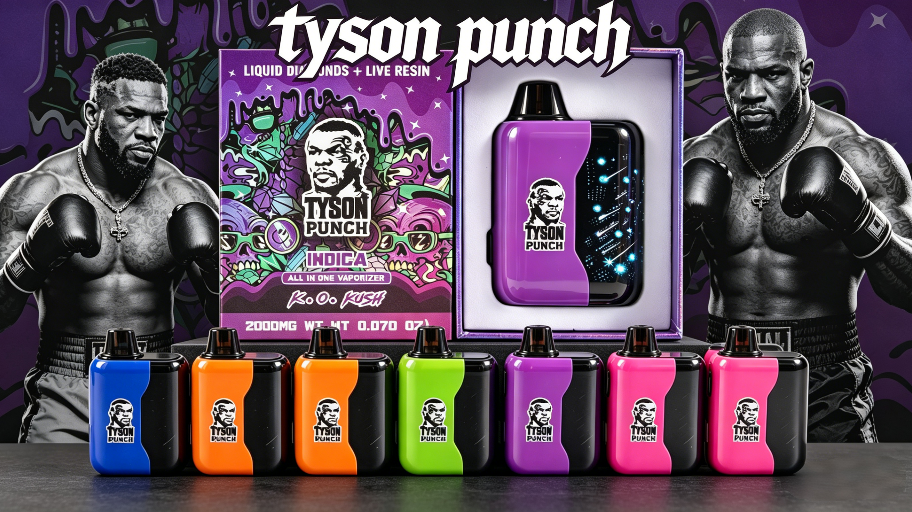
Caution is advised regarding product names such as "Tyson Punch Disposable Thread Battery": a catchy brand name or a trendy flavor designation reveals nothing about cell quality, safety circuitry, charging safety, or the credibility of the distributor. Particularly within the vaping sector, technical terminology and lifestyle branding are often emphasized more heavily than genuinely verifiable safety features. Therefore, it is prudent to prioritize technical documentation, distributor transparency, and compliance information over mere product marketing. Current regulatory frameworks—along with warnings issued by the WHO, CDC, FDA, and UL—all point in the same direction: When it comes to vaping hardware, robust product safety matters more than branding.
Conclusion
A Tyson Punch disposable thread battery likely falls into a popular subcategory of vape hardware featuring a 510 connection. However, for consumers today, the crucial factor is not whether a device appears "trendy," but rather whether it can be charged safely, features a sound technical design, meets verifiable standards, and is sold within a regulated framework. At the same time, the latest data indicates that vaping remains widespread, particularly among younger age groups. Therefore, any decision to purchase or use 510-thread devices should be based on safety, transparency, and compliance—not on advertising claims.
Attention : tyson punch 2g vapes | mike tyson vape | disposable vape with screen | vape for sale
 empty 1g vape
 empty 2g vape
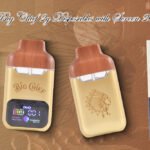 empty 3g vape
 empty dual chamber vape
 empty led vape
 USA STOCK VAPE
 EU German stock vape