Packwoods disposable pens: Why they will lead the vape scene in 2025.

The Rise of Disposable Packwoods Pens: Why "Disposable Pens" are Dominating the Vape Scene (B2B Analysis, 2025)

Note: This article is aimed at B2B buyers of empty hardware (no fillings, no nicotine/THC). Legal and market data are supported by primary sources.

1) The category trend: Disposables are growing the fastest.

Retail POS data (CDC Foundation/Circana) shows that in the six-month period ending May 18, 2025, 93.3% of e-cigarette SKUs listed in retail stores were disposable devices. Furthermore, disposable sales have increased by +202.5% since 2020, and 94.7% of disposable sales were recently attributed to non-tobacco flavors. This dynamic explains why "disposable packwoods pen" is gaining visibility as a keyword in the market – the category is driving this trend. Monitoring Tobacco Product Use

2) Convenience & Product Experience: Why end customers opt for disposable products

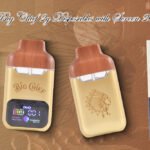
Disposable pens eliminate setup, maintenance, and charging accessories; features such as automatic draw activation, pre-heating, and multi-level voltage control are now standard in many 510-threaded designs. This reduces user errors and returns—a benefit for repeat purchases in retail channels, which is reflected in the strong shift towards disposables. In parallel, research describes the boost provided by new “smart vapes” (with displays and usage indicators), which are particularly prevalent in the sales peaks of disposable devices. Monitoring Tobacco Product Use

3) Brand narrative & collaborations: Packwoods as a "hype generator"

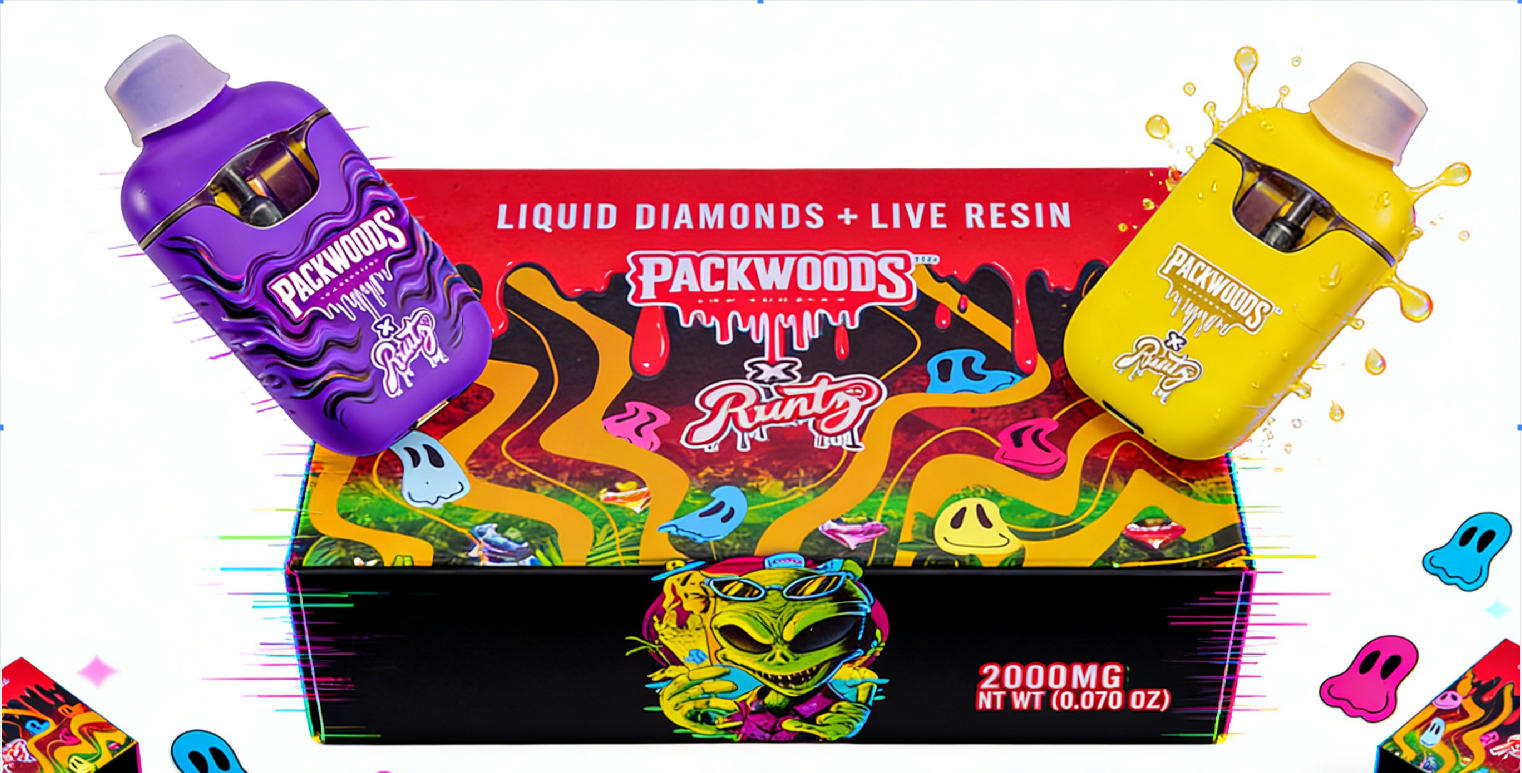
Collaborations like “Packwoods × Runtz” are aggressively marketed (2g specifications, draw-activated, flavor portfolios). Such launch narratives and social proof effects fuel the demand for disposable Packwoods pens—regardless of whether they contain nicotine or cannabinoids. Important: Product specifications are based on manufacturer/retailer information and may vary depending on the market and regulations. Packwoods Los Angeles

4) Regulation shapes the market: Shipping and flavor regulations shift demand.

  • US Shipping & PACT Act/USPS: Since 2021, the USPS has prohibited the delivery of ENDS (electronic nicotine delivery systems) products to consumers; PACT Act requirements (registration, age/ID verification, etc.) remain in effect and shape B2B logistics and distribution channels. As a result, retailers are switching to compliant delivery methods and clustered B2B networks. ATF
  • California (Flavor Ban & UTL): The state will finalize the Unflavored Tobacco List (UTL) in 2025—effective December 31, 2025: Products not on the list will be considered illegal flavored products; wholesalers/distributors/delivery sellers risk seizures and civil penalties. This regulatory framework favors "clear"/unflavored products—which are frequently offered as disposable vapes. CDPH+1

5) Enforcement situation in 2025: Largest seizures since the start of the controls.

The FDA/CBP reported repeated large-scale seizures in 2025: including in Chicago (May 2025: ~$33.8 million; September 2025: $86.5 million, 4.7 million devices—the largest seizure to date). This increases pressure on imports, labeling, and retailer due diligence, favoring compliant disposable vape platforms with proper documentation. U.S. Food and Drug Administration+1

6) What this means for "disposable packwoods pens" in B2B

  • Empty hardware ≠ "smooth sailing": Even without contents, devices with batteries require a UN 38.3 Test Summary (for air/sea transport) and robust battery documentation; retailers should clarify packaging and labeling requirements for each market (e.g., EU/EPR) early on. Accurate technical documentation speeds up customs and carrier clearances—especially for disposable products. Monitoring Tobacco Product Use
  • SKU Strategy: Disposables are gaining shelf space; in states with flavor restrictions, an "UTL-compliant" or "unflavored/clear" positioning pays off. Plan ahead with legal review and A/B testing of the housing/electronics variants. CDPH+1
  • Brand Licensing & IP Compliance: For Packwoods-branded disposable pens, a verifiable licensing chain (logo/trade dress) is mandatory—especially if you are only selling empty devices that customers fill themselves. Manufacturer/distributor claims (e.g., 2g specifications) should be clearly labeled as such. Packwoods Los Angeles

7) Compact shopping checklist (blank, B2B)

  1. Regulations/Shipping: Incorporate PACT Act registration and age/ID checks into the process; no USPS consumer delivery. ATF
  2. California Compliance: If sales in California are planned, clarify UTL status and flavor compliance in advance; unlisted products risk seizure. CDPH+1
  3. Compliance Dossier: UN 38.3 (Test Summary), traceable battery safety documentation; for global partners, additionally verify EU/EPR obligations. Monitoring Tobacco Product Use
  4. Import Due Diligence: In light of increased FDA/CBP seizures, ramp up sample testing, correct tariff classification/labeling, and supplier audits. U.S. Food and Drug Administration+1
  5. Marketing Claims: For "Packwoods × ..." specifications (fill volume, features), always indicate "according to manufacturer/retailer specifications"; obtain legal approval in regulated states. Packwoods Los Angeles

Conclusion

The rise of disposables is data-driven: more SKUs, a larger share of sales, strong flavor demand—and at the same time, more strictly monitored supply chains. For search queries like “disposable packwoods pen,” this means: The category is dominant, but compliance is key to availability. Those who rely on compliant, well-documented, empty disposable platforms and proactively plan for UTL/shipping regulations will secure shelf space in the 2025 market—and significantly reduce customs, carrier, and liability risks. Monitoring Tobacco Product Use+2ATF+2

Attention : packwoods runtz 2g | wholesale packwoods runtz vape | disposable 2 gram vape wholesale | cheap vape

Get A Free Quote

Table of Contents

Related blogs