Understanding Disposables: The Environmental Impact and Alternatives
Why disposable vapes are a current environmental and retail issue
Disposable vapes are not just "small consumer goods," but rather electronic devices with lithium batteries – and thus part of the growing e-waste problem. In Germany, the Federal Ministry for the Environment (BMUKN) explicitly emphasizes: Disposable e-cigarettes do not belong in the general waste, but must be disposed of separately or returned.
At the same time, regulations are being tightened: From July 2026, the obligation to take back used disposable e-cigarettes in Germany will be extended to all points of sale (e.g. kiosks, petrol stations); the return should not be tied to a new purchase.
FAQ: What are Ace Packman disposables?
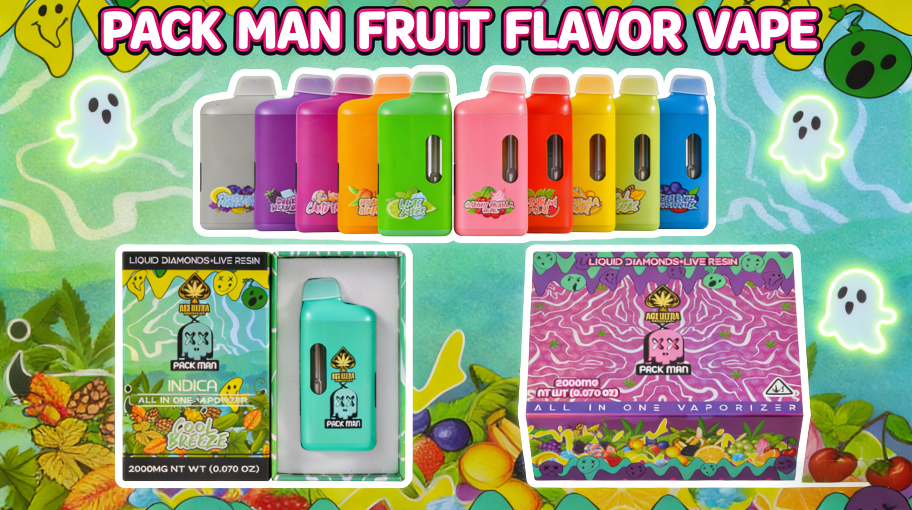
Online, disposable vape products are advertised under the names "Ace Packman" / "Ace Ultra" (often referred to as "Disposable Vape"). Some retailer websites describe these products in highly promotional language and, depending on the listing, also mention ingredients/extracts – however, this information is provided by the shop itself, not by independent testing organizations.
For environmental and disposal issues, the brand name is secondary: Whether it's "Ace Packman" or another disposable brand, the fundamental problem remains the same: Disposable vapes combine electronics, batteries, metal, and plastic in a single throwaway product, making recycling and safe disposal difficult.
The ecological footprint of disposables: What exactly is the problem?
1) Lithium batteries + improper disposal = fire risk
Lithium batteries are sensitive: If they are damaged in waste, the risk of fire in collection vehicles and sorting facilities increases. In Germany, a Fraunhofer report (citing a BDE study) points to more than 10,000 fires per year in waste sorting facilities – lithium batteries are considered a key contributing factor.
The BMUKN also cites precisely this risk as the reason for stricter take-back rules: Separate collection and return are intended to reduce battery damage and fire hazards.
2) Disposable design prevents reuse
Disposable e-cigarettes are often designed in such a way that they are not refillable and the battery is not replaceable – thus turning an entire electronic product into waste after a short period of use. This is also identified as a problem in the context of the German Bundestag (among other things, due to their design and appeal).
3) Raw materials & e-waste: international figures show the scale
A particularly well-documented example comes from the British government: In a statement on the "crackdown on single-use vapes," it is reported that more than 40 tons of lithium from single-use vapes were discarded in 2022 (for comparison, the statement puts this in relation to the amount that would be enough for thousands of electric cars). This is UK-specific, but it vividly illustrates that disposables are a raw material and battery problem – not just littering.
Regulation: What's currently changing in Germany/EU (and abroad)
Germany: Take-back & labeling (2026 is a turning point)
The BMUKN explains two points very clearly:
- Disposable e-cigarettes must be marked with the symbol of the crossed-out trash can (Note: do not put in the general waste).
- From July 2026, returns should be possible at all points of sale; and without obligation to make a new purchase.
EU: WEEE logic + battery rules
At the EU level, the classification as electrical/electronic equipment is crucial: The WEEE Directive aims to promote reuse/recycling and reduce the environmental impact of waste electrical and electronic equipment. In parallel, the Battery Regulation (EU) 2023/1542 is relevant: According to ECHA, it regulates, among other things, extended producer responsibility, the collection and treatment of waste batteries and replaces the Battery Directive from 18 August 2025.
International (signal effect): UK ban on single-use vapes
The British government announced a ban on single-use vaping devices from 2025, explicitly citing environmental and waste concerns. Even though this isn't automatically EU law, it's a trend indicator for retailers, showing where the debate might be headed.
More environmentally friendly alternatives (for consumers and retailers)
Alternative 1: Rechargeable systems with replaceable pods/coils
Ökologisch sinnvoller als Einweg ist in der Regel:
- wiederaufladbarer Akku,
- austauschbarer Pod/Coil,
- Ideally, it should be refillable (where legally/product-safely permissible). Why? Because the battery (the "expensive" environmental component) remains in circulation longer instead of being constantly thrown away.
Alternative 2: “Reduce” instead of “Recycle” as the most important stage
Even with good take-back programs, recycling remains complex. The most effective environmental measure is often simple: Sell/use fewer single-use devices and switch to more durable hardware (adjust product range/recommendations accordingly).
Alternative 3: Take-back and collection systems at the POS (Retail Quick Win)
If you're doing retail, the greatest practical leverage is:
- Clearly visible return boxes (designed to be fire and theft resistant),
- clear instruction signs (“not in the residual waste”),
- Employee training ("What do I take back? How do I store it?").
This fits directly with the BMUKN's strategic direction for 2026.
Practical disposal guide (Germany, short & correct)
- Do not dispose of in residual waste (fire risk + loss of raw materials).
- Returns in stores will be significantly more widely possible from 2026 (according to BMUKN/ElektroG guidelines).
- Look for the symbol of the crossed-out trash can – it marks electrical appliance/separate collection.
Conclusion
Ace Packman disposables, like other disposables, are primarily one thing: single-use electronics with lithium batteries. This is precisely what makes them ecologically problematic and increasingly subject to regulatory pressure. In 2026, Germany is placing a clear emphasis on take-back, separate disposal, and fire risk reduction. Those who want to act more sustainably (as consumers or retailers) should focus most on avoidance and durable systems – and organize take-back in such a way that batteries don't end up in the landfill.
Attention : ace x packman 2g disposable vape | ace packman bulk vape | 1g disposable vape | wholesale vapes




 English