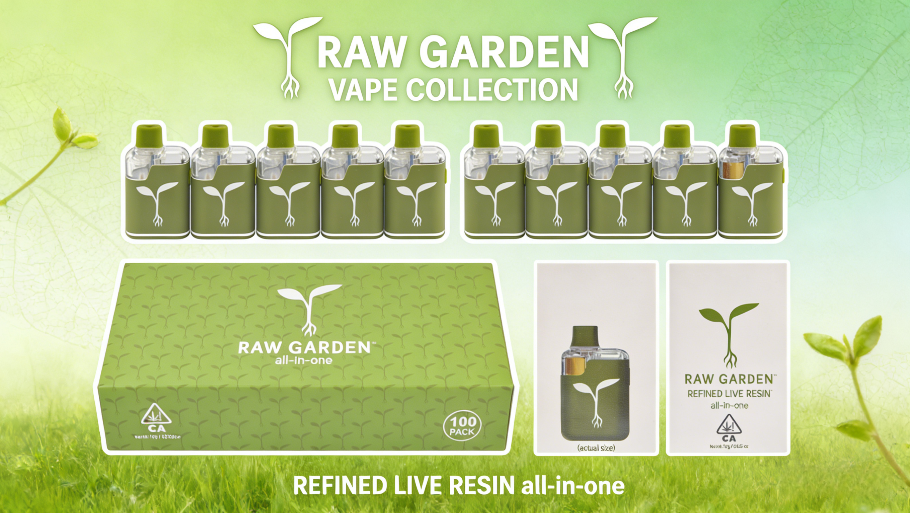
Raw Garden embraces the all-in-one trend: Why convenience is winning – and which rules will shape the future.
Note: This article is a market and hardware analysis. It is not a user guide and does not contain information about oils/THC/nicotine. Please be aware of local laws, age restrictions, and product safety regulations.
The term Raw Garden Dispo Pen refers (in market jargon) to an all-in-one disposable vape pen format: compact, ready to use immediately, minimal accessories – and for many customers, the most convenient option for everyday use. Raw Garden itself offers vape products (including all-in-one form factors) in its portfolio and clearly focuses on user-friendly designs.
At the same time, the concept of "disposable as the future" is no longer a simple straightforward path: environmental, battery, and youth protection regulations are becoming stricter worldwide – with outright sales bans in some markets.
1) Why were disposable pens able to grow so strongly in the first place?
Comfort is a feature stack, not a single button.
The rise of disposable pens comes not only from being "disposable," but from three things that together are very powerful:
- All-in-One: no separate 510 battery, no cartridge changes – fewer sources of error in everyday retail operations.
- Standardized experience: Manufacturers control the hardware and filling system (from a market perspective: a more consistent user experience, fewer support issues).
- Improved charging/handling: Many newer device categories utilize more modern charging ports and more consistent electronics – this makes the category more suitable for mass adoption (although this varies greatly depending on the model). (Pressure to standardize charging connectors is increasing across the EU, and USB-C has been mandatory in many device categories since the end of 2024.)
Raw Garden as an example of the "disposable pen" consumption logic
On marketplaces and product listings, Raw Garden is explicitly listed with "Disposable/Ready-to-Use" pens – this illustrates that even "branded products" are catering to the convenience trend because it simply works in terms of sales.
2) The business benefits: Why B2B teams like on-demand formats (even without the hype)
Less friction in fulfillment and retail
Dispo-Pens sind oft attraktiver in Abläufen, weil sie:
- Simplify order picking (one SKU type, fewer accessories)
- Increase shelf-readiness (pre-packaged, fewer assembly/pairing steps)
- Simplify the returns logic (clear defect = replacement, instead of troubleshooting in battery vs. cartridge).
Scalability through standardization
The real "future advantage" is often process standardization: repeatable QC checks, clearer lot/batch logic, and less variation chaos. (This applies regardless of brand; the Raw Garden disposable pen is more of a symbol for the category here.)
3) The powerful counterforce: Regulation and e-waste make "classically disposable" products vulnerable.
This is where things get crucial: Disposable products are under political pressure, mainly because of batteries, waste, and youth protection concerns.
UK: complete ban on single-use plastics (effective June 1, 2025)
Great Britain has banned the sale/supply of single-use vapes; only reusable models with a rechargeable battery, refillable container and replaceable coil are permitted.
Belgien: Verbot der Verkaufsstarts als EU-Signal
Belgium was the first EU country to announce a ban on the sale of disposable vapes (starting in January after the announcement) – with explicit reasons given regarding minors and environmental impact.
Germany: Federal Council calls for a ban + stronger return/disposal regulations
In Germany, there are official positions from the Federal Council that call for a ban on the marketing of disposable e-cigarettes (a political process, not everywhere immediately equivalent to "immediate law").
EU battery rules: “removable & replaceable” from 2027
The EU Battery Regulation stipulates that portable batteries in devices must be removable and replaceable by end-users by 2027; there are also EU guidelines for its harmonized application.
Konsequenz: „Einweg-Optik“ kann bleiben – aber die Technik muss sich Richtung wiederverwendbar, reparierbarer, recyclebarer bewegen, wenn man in regulierten Märkten skalieren will.
4) What "the future" realistically means (and how you, as a buyer/brand, can play it smart)
If you want to write a serious article today about "Why disposable pens are the future," the more precise statement would be:
The future belongs to low-friction all-in-one form factors, but with reuse/compliance design (rechargeable, serviceable, better return/disposal options).
For B2B purchasing: Three must-have certifications (battery/transport)
As soon as batteries are included in the product, transport compliance becomes a deal-breaker:
- UN 38.3 as the basis for lithium cell/battery testing in the transport context.
- Test summary requirements are explicitly relevant in parts of the supply chain (e.g., US PHMSA explains the requirements and updates).
- For product safety, IEC 62133-2 is a widely used reference standard for portable lithium batteries (as a guideline, depending on the target market/product category).
5) Conclusion: The raw garden disposable pen is a symptom – the "future" is compliance + convenience.
The success of disposable vape pens (and brand examples like Raw Garden disposable pens) stems from convenience, standardization, and retail-friendliness.
However, current regulations clearly show that "classic disposable" products are being phased out in many markets – due to bans, return obligations, and battery design requirements.
Attention : raw garden disposable 2ml vape pen | 2g disposable vape | cheap vape
 empty 1g vape
 empty 2g vape
 empty 3g vape
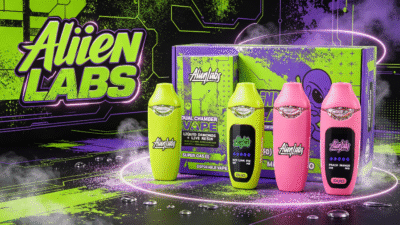
 empty dual chamber vape
 empty led vape
 USA STOCK VAPE
 EU German stock vape