Exploring the Benefits of 2g california thc vape: A Comprehensive Overview
Important Notice: This article is an objective market and compliance assessment of the legally regulated cannabis market in California. It is not a recommendation for consumption, medical advice, or a guide to acquiring, manufacturing, or using THC products. Regulations are subject to change – if in doubt, please consult a legal professional.
1) What does "2g" actually mean at California THC Vapes?
"2g" usually describes the fill quantity (mass) of concentrate in a vape product (e.g., cartridge or integrated device). However, for regulatory classification, not only the weight, but above all the THC content in milligrams per package is crucial.
In California, cannabis concentrates (which typically include vape oils) are subject to a THC limit of a maximum of 1,000 mg THC per package; for medical products, up to 2,000 mg THC per package is possible under certain conditions (e.g., "FOR MEDICAL USE ONLY").
Why this is important: A "2g" product can – depending on its potency – quickly contain over 1,000 mg of THC (for example, 2g at 70% THC ≈ 1,400 mg THC). This means that 2g is not automatically "standard adult use compliant" in Canada, but depends on potency, labeling, and distribution channel.
2) The “benefits” – meaningfully defined (without hype, without health claims)
When discussing benefits in the context of compounding, one should not argue about "greater efficacy" or similar claims, but rather about regulatory compliance, product safety, and supply chain quality. Especially with THC vapes, this perspective is the most reputable – and, in the long run, the most sustainable for brands and retailers.
Benefit A: Efficiency in product range & logistics (B2B perspective)
- Fewer units per sale can simplify handling (order picking, warehouse movement, packaging effort).
- SKU consolidation is possible if 2g formats are legally and cleanly positioned (e.g., medical lines or lower potencies).
However, in CA this must always be weighed against THC-mg limits and labeling requirements.
Benefit B: Consistency & Standardization (Quality Perspective)
One "benefit" in the legal market is not the format itself, but the standardization:
- reproducible specifications
- defined batch/lot structures
- Clear potency information and traceable batches
These benefits are only real if manufacturers/brand owners consistently work according to the CA requirements (see Testing section).
Benefit C: Better documented product safety through mandatory testing
California requires mandatory laboratory testing for cannabis products. DCC-licensed testing labs test for, among other things:
- Cannabinoids/Terpenes
- Pesticide residues
- Heavy metals
- Residual solvents/processing chemicals
- Microbes, mycotoxins, foreign material etc.
For reputable providers, this is a real competitive advantage: Test discipline and documentation (when implemented correctly) are a trust asset.
3) Why “Safety & Source” is the key benefit factor for THC vapes
Public health reports have shown that risks associated with THC vaping escalate particularly when products come from informal/illegal sources or are adulterated/uncleanly manufactured. In the context of the EVALI outbreak, the CDC explicitly recommends avoiding THC-containing vaping products, especially those from informal sources; vitamin E acetate has been strongly linked to the outbreak.
What this means in terms of "benefits" (to put it seriously):
- The advantage is not “2g”, but rather verifiable purity, traceability and controlled production.
- Brands that implement this cleanly in CA can build trust – because they are verifiable and auditable.
4) Compliance reality in California: Packaging, Labeling, Marketing
For vape cartridges and integrated vaporizers, CA has additional requirements for advertising/marketing and packaging/labeling. The DCC consolidates these requirements and refers to relevant legal bases and mandatory elements such as the CA "Universal Symbol" on labels.
A practical "benefit" for reputable brands:
- Clear, compliant packaging reduces seizure/retail risks.
- Improved retail acceptance (distribution capability)
- Less friction during compliance checks in the supply chain
5) What characterizes a “good” 2g concept in CA (without a how-to)
If you want to play the "2g California THC vape" theme professionally, the most convincing points are:
- Clearly derive THC mg compliance (Adult-Use vs. Medical-Only).
- Make Testing coverage transparent (panels, batch logic, COA handling).
- Labeling/Packaging strictly compliant with regulations, including mandatory symbols and warning notices.
- Emphasize source integrity: no informal sources, no dubious supply chains (EVALI learnings).
This way, the article remains "benefits-oriented" without slipping into problematic, consumption-promoting or procurement-related content.
6) Conclusion: The real advantage lies not in the “2g” – but in the system behind it.
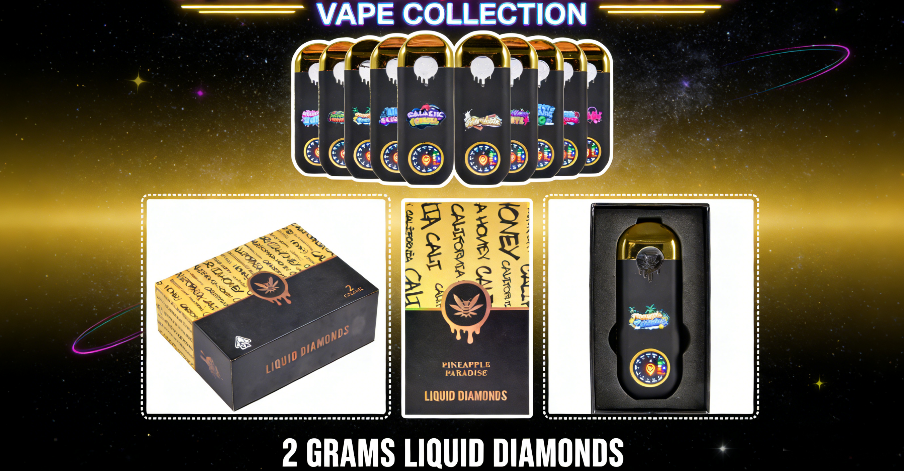
A 2g California THC vape can be useful within the legal CA framework – especially from the perspective of assortment/logistics efficiency and standardization. However, the crucial difference between "just bigger" and "really better" arises from:
- Legally compliant THC limits per pack (Adult Use vs. Medical-Only)
- Mandatory testing with traceable documentation
- strict packaging/labeling & marketing compliance
- clear distinction from informal/illegal sources (public health risk)
If you wish, I can also make this blog structure SEO-ready (e.g., with 8-10 H2/H3 sections, meta description, and a "compliance checklist"), without the post looking like advertising and without many external links.
Attention : USA california round 2g disposable vape | wholesale california vape | disposable vape with screen | USA Stock vape | wholesale vapes
 empty 1g vape
 empty 2g vape
 empty 3g vape
 empty dual chamber vape
 empty led vape
 USA STOCK VAPE
 EU German stock vape