Understanding THC levels: What you can expect from a "dime bag" – and why the term says little about the potency.
The term “dime bag” is US slang for a small package of an illegal drug worth $10 (e.g., cannabis).
Important: Neither the quantity nor the THC content can be reliably determined from this price/slang term. If you want to accurately assess the “THC level,” you need laboratory data/labeling – not street terminology.
1) THC vs. THCA: Why "Total THC" is crucial
Many products contain THCA (non-intoxicating), which only converts into THC through heat (smoking/vaping). This is precisely why many programs work with "Total THC" (THC + convertible THCA) to determine the actual intoxication potential.
2) How potent is cannabis today (USA): reliable trend data
The NIDA/DEA potency data on seized (illegal) cannabis samples show a clear long-term trend:
Delta-9-THC increased from 3.96% (1995) to 16.14% (2022) – approximately a fourfold increase.
This is relevant because it explains why expectations based on data from previous years are often no longer accurate.
3) "Flower" vs. Concentrates/Vape: typical ranges (official consumer information)
In legal markets, the biggest leap in potential is usually not the "strain," but the product category:
- Flowers: on average frequently 15–20%, sometimes up to ~35%.
- Concentrates (Wax/Rosin/Shatter/Oils): typically 60–90%.
- Example from Washington State (state agency): 2022 average 21% (flowers) and 69% (concentrates).
Das bedeutet: Selbst wenn zwei Personen jeweils einen „dime bag“ meinen, kann das eine Blüte sein (deutlich niedriger) oder ein Konzentrat/Vape (deutlich höher) – der Begriff sagt dazu nichts.
4) Warum „Dime Bag“ als Erwartungsanker problematisch ist
- Price ≠ Value: A $10 value can mean very different things depending on the region, market, and availability.
- Labeling reality: Even in regulated markets, there are discussions about THC label accuracy (e.g., studies/reports from individual states).
- THCA/"Total THC" effect: Products with the same "Δ9-THC" content can have very different effects if the THCA level is high.
5) Vapes and THC: Prevalence and safety situation (USA)
From a "consumption patterns" perspective, vaping is relevant: In the USA in 2024, 38.0% of individuals who used cannabis in the last month reported having also vaped it in the last month (with significant age differences).
From a risk perspective, it is crucial whether products are regulated and tested: The CDC strongly links the EVALI outbreak to vitamin E acetate in THC-containing illegal vaping products.
In practical terms, this means: potency assessment is one thing – source/testing is at least as important.
6) B2B/hardware bridge to the keyword “USA stock whole melt v7 vape”
When using the keyword “USA stock whole melt v7 vape” in a (hardware) context: The device format says nothing about the THC content, because the THC content depends on the filling material/oil/extract and its test data – not on the battery, body, or display. Therefore, in content and listings, it is advisable to strictly avoid potency claims and instead focus on compatibility, quality assurance, traceability, and (if applicable) shipping/compliance documentation.
Conclusion
Ein „dime bag“ ist ein Preis-/Slangbegriff, aber kein Potenzstandard. Für eine seriöse Erwartung an THC-Level brauchst du Total-THC-Logik (THC+THCA), eine klare Unterscheidung zwischen Flower vs. Konzentraten/Vapes und – besonders wichtig – getestete, regulierte Quellen, weil unregulierte THC-Vapes historisch mit erheblichen Gesundheitsrisiken verbunden waren.
Attention : USA whole melt v7 vape 2g | whole melt disposable | dual chamber disposable bulk | USA Stock vape | cheap vape
 empty 1g vape
 empty 2g vape
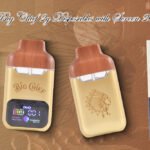 empty 3g vape
 empty dual chamber vape
 empty led vape
 USA STOCK VAPE
 EU German stock vape