The advantages of ACE Empty Vape for DIY vaping (DACH perspective, 2025)
Note in advance: This article refers exclusively to empty hardware ("ACE empty vape": empty disposables/cartridges/pods without nicotine/THC) for B2B buyers and DIY mixers. It does not contain instructions on filling, nor does it make any statements about nicotine-containing or THC-containing fillings.
Why choose "ACE empty vape" as the hardware base?
1) Customized Formulation Control & Sensory Analysis
With customizable hardware, professionals maintain control over viscosity, base (e.g., PG/VG), flavor profile, and terpene compatibility. They avoid pre-programmed flavor profiles and can reliably scale production batches (pilot → small series → roll-out) – especially important for white-label/OEM programs in the DACH region (Germany, Austria, Switzerland). (General technical advantage; no regulatory source required.)
2) Documentable Quality & Traceability
Empty systems can be linked to their own batch/lot code, IQC/OQC checklists (e.g., visual inspection, leak testing, electrical continuity, leak stress test), and complaint SLAs. This reduces DOA rates and facilitates audits at trading partners. (Practical advantage; no regulatory source required.)
Security & Transport – Designed to be "compliance-ready"
3) Battery Safety & Electrical Safety
For wholesale in the DACH region (Germany, Austria, Switzerland), verifiable testing of electrical/heating systems (UL 8139) and cells/battery packs (IEC 62133-2) is considered best practice. UL 8139 comprehensively evaluates e-cigarette devices (batteries, charging/protection circuits, heating systems), IEC 62133-2 assesses the safety of portable lithium-ion cells, and UN 38.3 is mandatory for the transport of lithium batteries (air/sea/land). This shortens carrier approvals and reduces supply chain risk. UL Solutions + IEC Webstore
4) EU Battery Regulation 2023/1542: Plan for "2027 compliance"
The new EU Battery Regulation is already in effect and introduces obligations in stages. From February 18, 2027, portable batteries in devices must generally be removable and replaceable by the end-user (using commercially available tools; with narrowly defined exceptions). Anyone designing or purchasing hardware today should pay attention to housing/packaging concepts that make this requirement achievable. EUR-Lex+1
5) Ensure full compliance with environmental and materials regulations (WEEE/RoHS)
Even empty devices are considered electrical/electronic equipment. Accordingly, WEEE (take-back/disposal obligations) and RoHS (restriction of hazardous substances) regulations apply. For B2B flows, this means clarifying manufacturer/importer roles, organizing registrations/markings/record-keeping, and having the RoHS conformity declaration readily available. EUR-Lex+1
Market access & regulation – what DIY/B2B businesses should consider
6) TPD Framework: Devices vs. Nicotine-Containing Products
The EU Tobacco Products Directive (TPD, Article 20) regulates electronic cigarettes and refill containers as consumer products (especially those containing nicotine). Empty hardware without nicotine-containing liquid primarily falls under general product/safety and environmental law; however, as soon as you market it as an "e-cigarette" to end users with a nicotine-containing refill, the TPD applies (including notification requirements and warning labels). Plan your SKUs/labels accordingly. Public Health
7) DACH Trend: Returns, Disposal & Political Pressure on Single-Use Products
In Germany, initiatives are underway in 2024/25 for uniform return obligations, and a sales ban on single-use e-cigarettes is being politically considered. At the same time, waste disposal companies are warning of fire risks posed by improperly disposed of lithium-ion batteries. For B2B businesses, this means: contractually defining return processes and collection methods (WEEE/municipal collection) and preparing communication materials for trading partners. DIE WELT+2
Economic advantages for B2B buyers
8) Cost Structure & Scaling
“ACE empty vape” as a neutral platform lowers TCO: You source hardware in a standardized way, while filling/branding is localized. Improvement is achieved through:
- MOQ stages (Prototype → Pre-series → Series),
- Parts/accessory compatibility (mouthpieces, seals, USB-C boards),
- Replaceable battery packs/design options (strategically important with a view to 2027). (Business advantage; no regulatory source required.)
9) Differentiation & IP Protection
Using blank, generic platforms allows you to avoid trademark conflicts, maintain control over packaging design (e.g., child-resistant bags/boxes, holograms/QR codes for traceability), and precisely tailor legal copy for the DACH region (WEEE symbols, RoHS-CE compliance, battery pictograms). (Legal/trademark practice; please finalize with your legal counsel.)
Technical purchasing checklist (short version)
- Safety evidence: UL 8139 report (device), IEC 62133-2 (cell/pack), UN 38.3 test summary. UL Solutions+2IEC Webstore+2
- EU Compliance: RoHS DoC + WEEE compliance (registration/authorized representative), CE documentation (relevant directives/standards). EUR-Lex+1
- 2027 Capability: Concept/option for a removable battery (Article 11 EU Battery Regulation), plan packaging and instructions for use accordingly. EUR-Lex
- Labeling/Use Case: No health/pharmaceutical claims; clearly label DIY hardware as empty hardware (no nicotine/no oils/no THC). (Legal/Marketing best practice.)
Short FAQ
Is "DIY vaping" permitted in the EU?
Empty hardware for B2B purposes is generally permitted, but nicotine-containing consumer products are subject to TPD regulations (including content/warning labels and notifications). Depending on your distribution model, please check the specific national implementations. Public Health
Why think about 2027 already?
Because the EU Battery Regulation introduces design requirements (removability, information/labeling) and new market surveillance – those who buy now will save on expensive redesign processes later. Environment
TL;DR für Einkäufer
With ACE empty vape, you secure formulation flexibility, quality control, and a compliance-ready hardware platform. Ensure compliance with UL 8139 / IEC 62133-2 / UN 38.3, plan for WEEE/RoHS compliance – and consider removable batteries by 2027. This will keep your DIY portfolio scalable and future-proof in the DACH region (Germany, Austria, Switzerland). EUR-Lex+5UL Solutions+5IEC Webstore+5
Attention : ace orange empty 2g vape | ace ultra vape bulk | custom 2ml thc vape | cheap vape
 empty 1g vape
 empty 2g vape
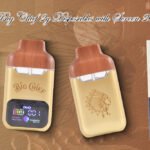 empty 3g vape
 empty dual chamber vape
 empty led vape
 USA STOCK VAPE
 EU German stock vape